Randomness is a common element across video games, digital decision tools, and online entertainment platforms, yet human reactions to unpredictable outcomes vary significantly. While some unexpected events bring a wave of joy, others lead to immediate disappointment and annoyance. Understanding what separates a delight from a disappointment reveals a great deal about cognitive psychology, user expectations, and modern game design.
The Psychology of Player Stakes and Expectations
The boundary between excitement and annoyance largely depends on how much a person stands to lose when chance takes over. When an outcome carries low stakes or acts purely as a bonus, unexpected variance feels refreshing and playful. Conversely, when a user invests significant time or effort only to be derailed by pure luck, the exact same randomness feels deeply unfair.
Game developers carefully balance these emotional dynamics by managing risk structures within interactive environments. Positive surprises usually enhance an existing baseline without threatening a player's core progress. In contrast, sudden negative shifts that destroy accumulated effort trigger frustration rather than healthy engagement.
The Role of Agency in Unpredictable Outcomes
Sense of control plays a vital role in how people interpret randomized events across digital platforms. Players tend to enjoy unpredictable mechanics when they choose to trigger them voluntarily as part of a recreational loop. For instance, accessing account features through an m88 casino login allows users to intentionally participate in chance-based entertainment where variance is the primary draw.
Frustration arises when randomness strips away personal agency without prior consent or strategic alternative. If a system overrides a user's calculated strategy with complete luck, it invalidates their decision-making skills. Maintaining a clear boundary between player agency and atmospheric chance is essential for a positive experience.
Visual Presentation and Emotional Feedback Loops
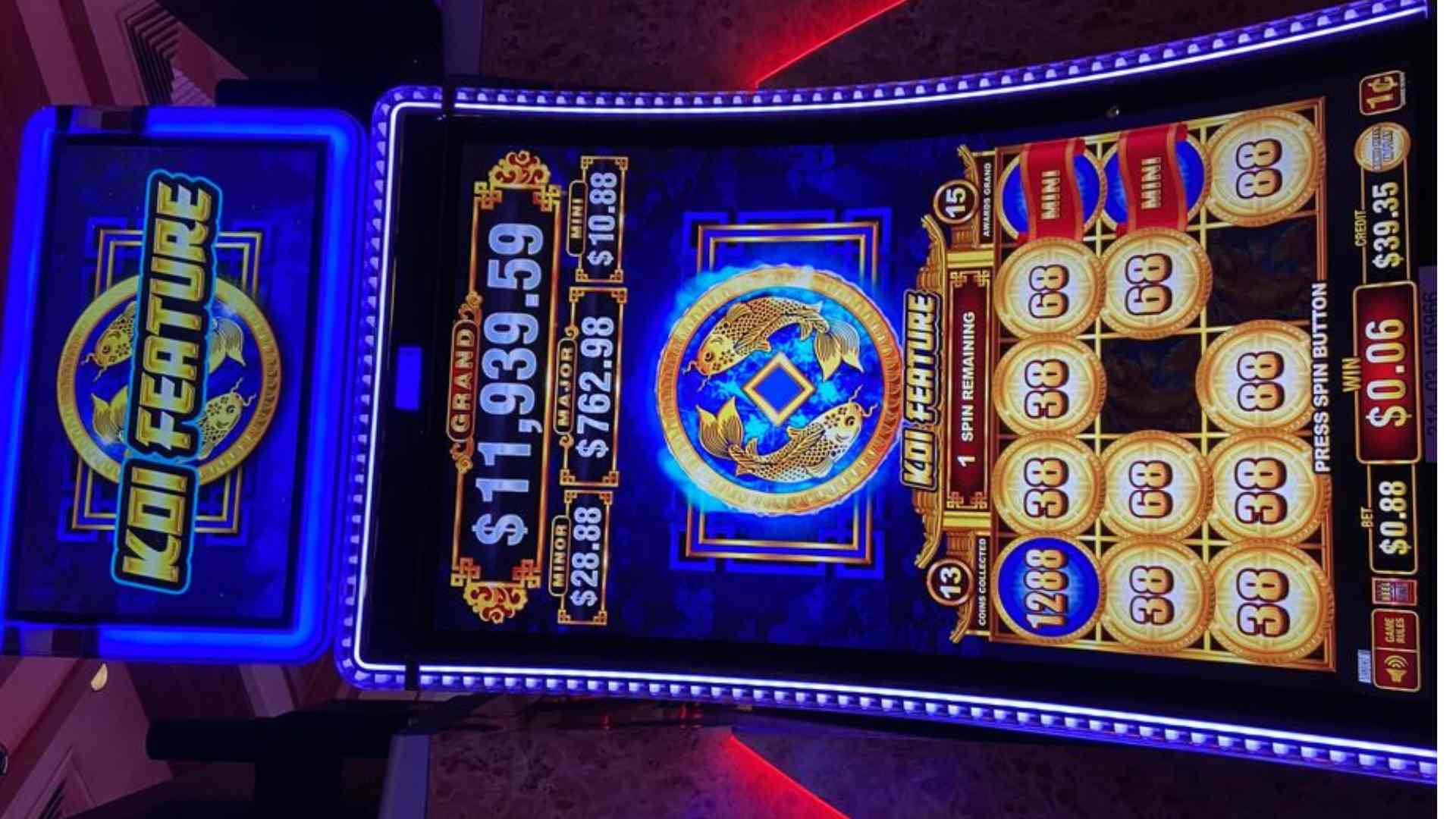
How an outcome is presented visually drastically alters the emotional impact of the result. Deceleration animations, sound effects, and celebratory graphics can transform simple mathematical chance into a memorable visual event. These sensory cues help frame the moment as a lighthearted game rather than a cold calculation.
When systems fail to provide clear visual feedback, sudden shifts feel arbitrary and mechanical. Transparent probability mechanics help manage expectations by reassuring users that the system operates fairly. When participants trust the integrity of the process, even unfavorable results become easier to accept without resentment.
Designing Balanced Interactive Experiences
Creating engaging digital experiences requires a subtle harmony between predictability and novelty. Too much predictability leads to boredom, while unchecked randomness creates chaos and user fatigue. Designers who master this balance use chance to create memorable micro-moments without disrupting overall goals.
Ultimately, a fun surprise enriches the user journey by offering unexpected delight within a safe framework. By respecting user effort and maintaining clear rules, interactive platforms ensure that unpredictable elements remain entertaining rather than discouraging.