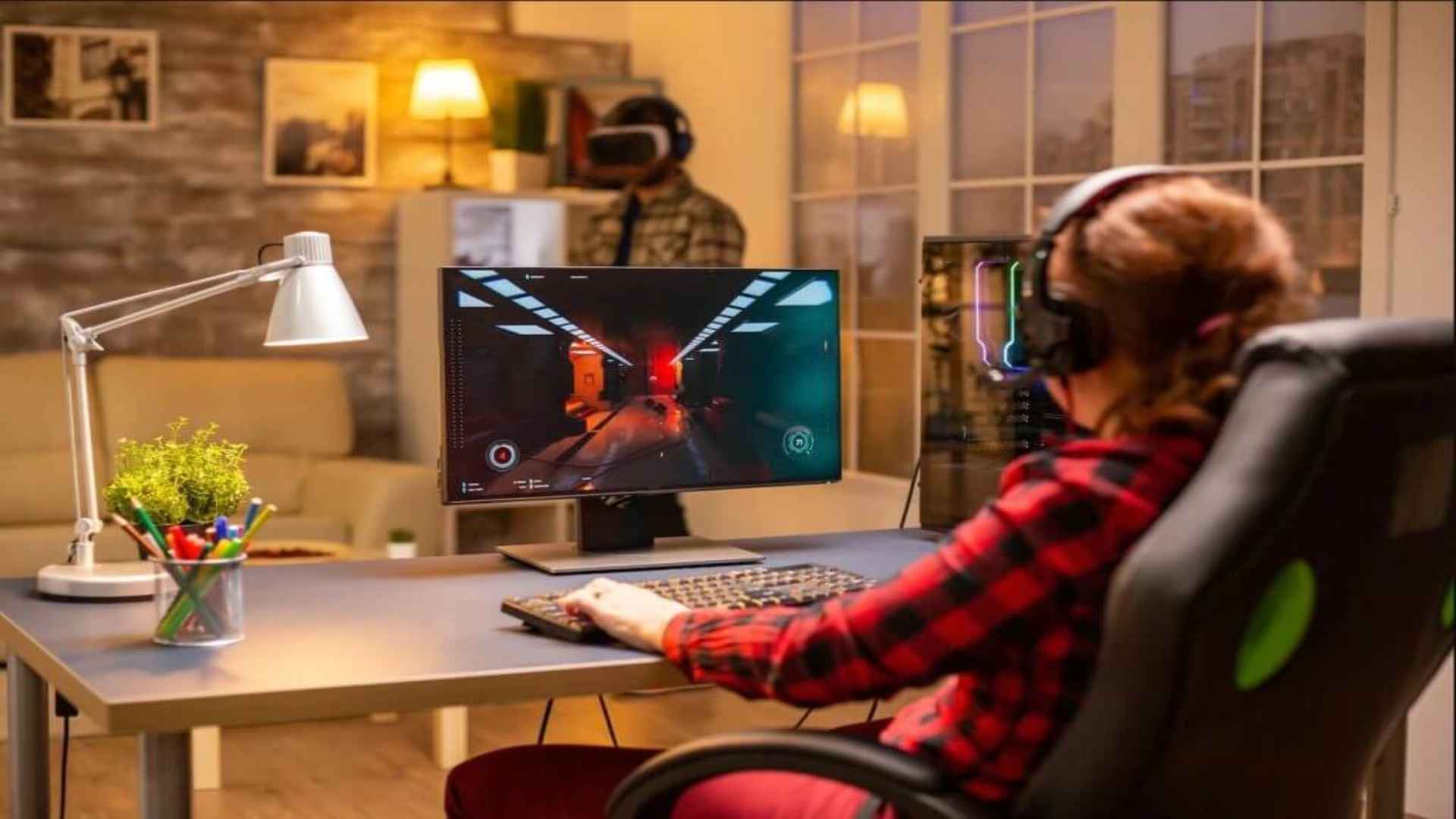
The global gaming landscape continues to expand rapidly as digital spaces transition from basic recreational hubs into highly participatory ecosystems. Modern players look for deeper engagement through systems that combine active gameplay with dynamic milestone completions. These features successfully bridge the gap between pure entertainment and tangible digital incentives for communities worldwide.
The Evolution of Interactive Incentives
Traditional video games typically relied on static high scores or simple linear narratives to keep audiences engaged over time. Today, developers build sophisticated frameworks where individual achievements directly influence live communal milestones and unlocking premium assets. This constant feedback loop transforms casual entertainment into a highly collaborative environment for global participants.
These modern platforms leverage interconnected mechanics to ensure that every participant contributes to a larger virtual ecosystem. By participating in collective challenges, users can unlock tailored rewards that enhance their overall experience within the community. This approach ensures long-term engagement while fostering a strong sense of shared triumph among players.
Enhancing Global Team Collaboration
Cooperative missions have become a core foundation of modern virtual spaces, demanding high levels of communication and tactical planning. Teams must work together seamlessly to solve complex puzzles, complete challenging raids, and secure exclusive in-game enhancements. This cooperative drive encourages individuals to refine their personal skills while learning to operate within diverse group structures.
To explore dynamic online competitive platforms and discover specialized rewards ecosystems, fans can follow the latest M88 esports updates for professional insights. Engaging with these advanced competitive channels helps enthusiasts understand the structural systems that govern modern high-stakes team environments. These shared objectives ultimately build long-lasting digital relationships across geographical boundaries.
Balancing Gameplay and Sustainable Rewards
Designing a fair virtual economy requires a careful balance between motivating players and maintaining competitive integrity over long periods. If incentives are too easy to obtain, the sense of accomplishment drops, whereas overly difficult challenges can alienate newcomers entirely. Top-tier developers resolve this by implementing scalable difficulty systems that adapt to varying skill levels.
Furthermore, transparent reward tracking ensures that all participants can clearly see their progress toward specific milestones. This structural clarity reduces frustration and builds a trustworthy environment where time spent yields noticeable progression. A well-balanced economy keeps the digital environment active and productive for years.
Future Trends in Connected Gaming
The integration of advanced technologies like augmented environments and live cross-platform matchmaking points to an incredibly connected future for the industry. Communities will soon experience even more seamless integration between real-time performance and automated milestone recognition systems. This technological progression will undoubtedly continue to reshape how society views collaborative digital media.
As these interactive platforms mature, the focus will likely shift toward creating deeply personalized virtual journeys. Players will enjoy unique challenges tailored specifically to their preferred styles while contributing to massive global events. The era of passive consumption has officially ended, giving rise to fully immersive interactive landscapes.